The Kingdom of Tonga lies scattered across the warm blue waters of the South Pacific, east of Fiji and north of New Zealand, forming a chain of more than 170 coral and volcanic islands. Often called the “Friendly Islands”, Tonga is the only Pacific nation never fully colonised, and its rich Polynesian heritage remains deeply woven into everyday life. Ancient traditions, royal history, music, dance and strong family ties continue to shape the culture of the Tongan people, whose warmth and hospitality are renowned throughout the Pacific. From palm-fringed beaches and coral reefs to lush rainforests, sea caves and migrating humpback whales, Tonga’s natural beauty is both dramatic and deeply serene — a place where culture, history and nature remain closely connected.
The Expedition
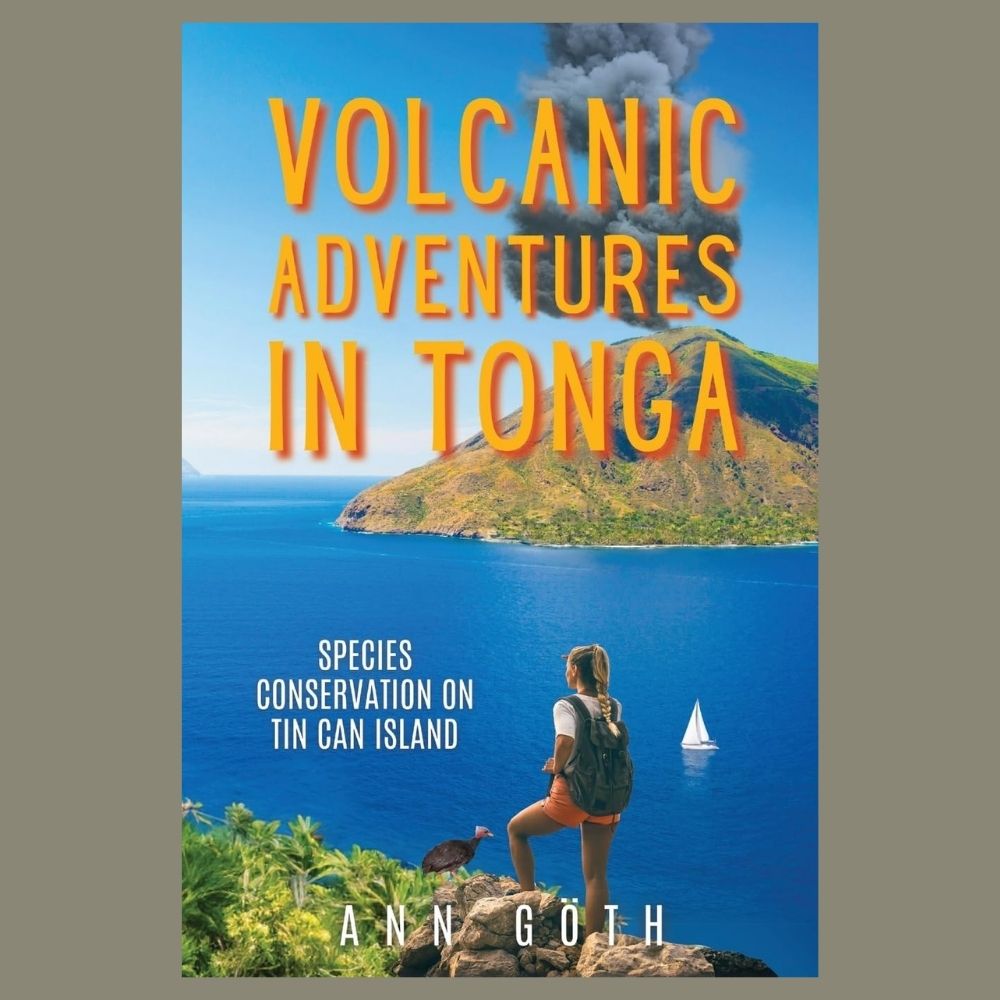
The book Volcanic Adventures in Tonga takes readers on an armchair journey to the remote volcanic Tongan island of Niuafo’ou — known locally as “New Coconut Land” — where Ann spent almost two years conducting a conservation project on the endangered Niuafo’ou megapode, often called the “volcano bird”. This remarkable bird belongs to the megapode family and incubates its eggs in the warm volcanic soil rather than by sitting on them. The photographs shown here were taken during that expedition between 1991 and 1993, capturing both the extraordinary wildlife and the unique culture and landscapes of the island.
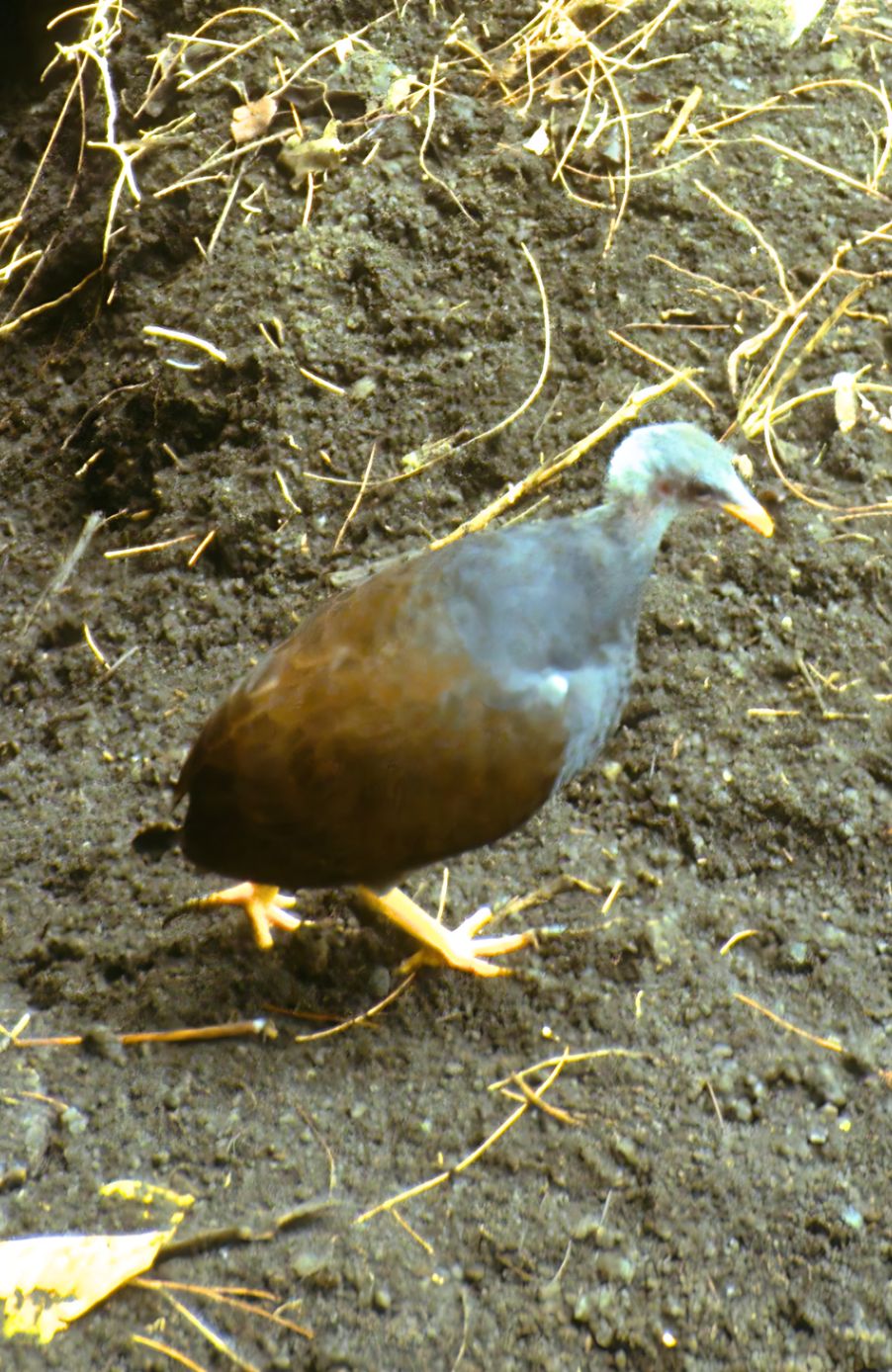
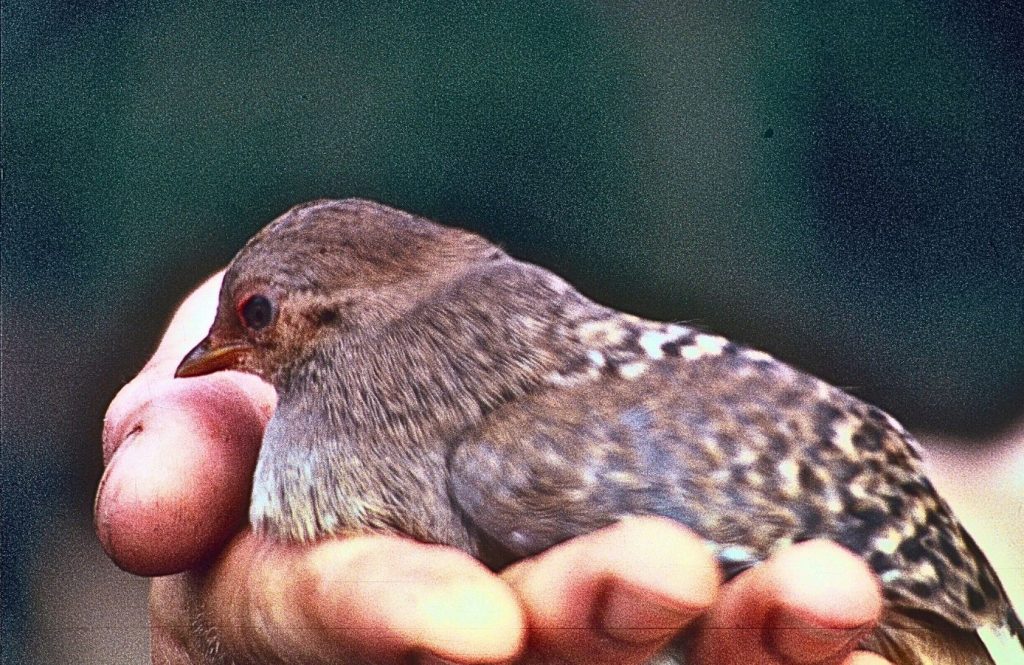
The ‘Volcano Bird’, locally known as Malau, scientifically Polynesian Megapode Megapodius pritchardii. It lays its egg into volcanically heated soil for incubation.
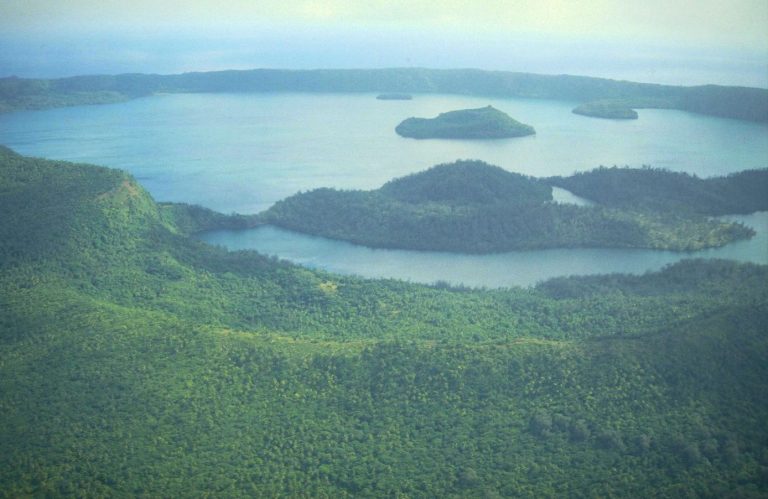
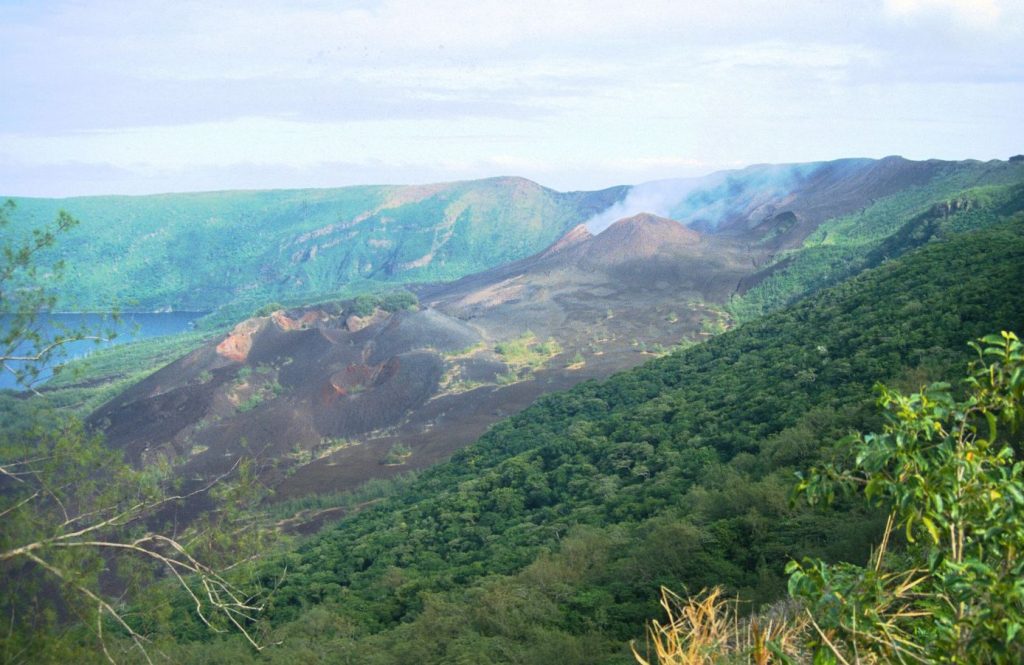
The island Niuafo’ou (New Coconut Land) from the air. It is the northernmost island in Tonga and is a volcano with a collapsed caldera that filled with a crater lake.
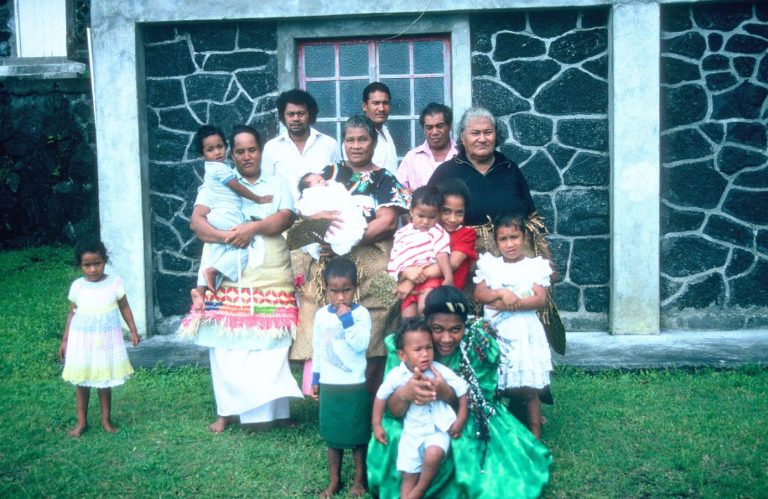
Our host family on Niuafo’ou, dressed in traditional Ta’ovalas.
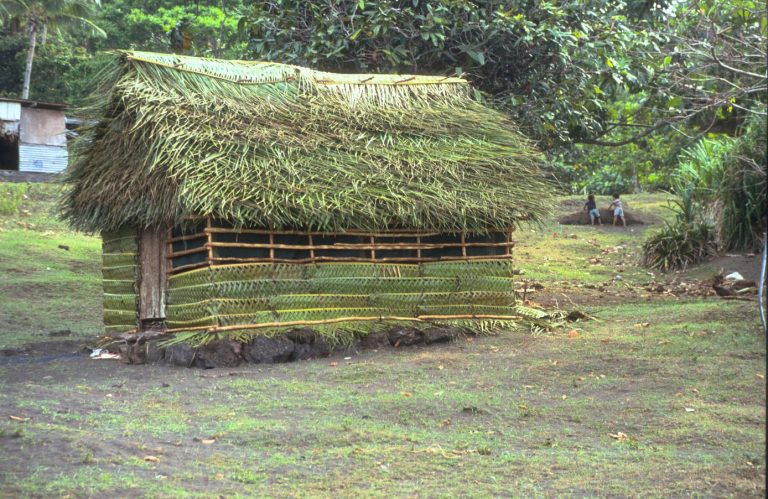
Our hut was built in traditional Tongan style, all made from parts of the coconut palm.
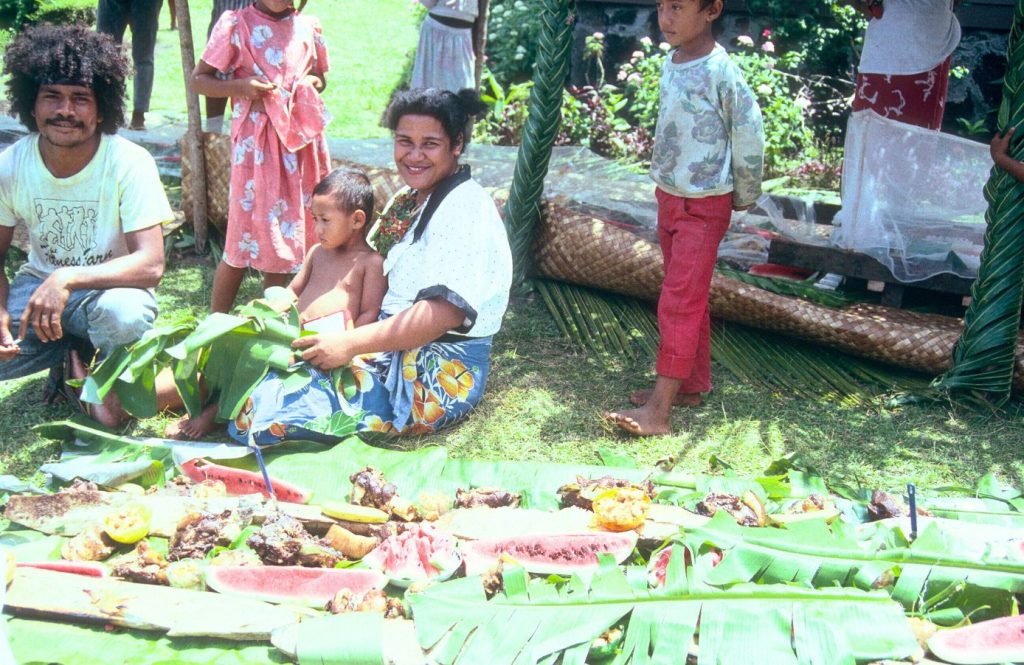
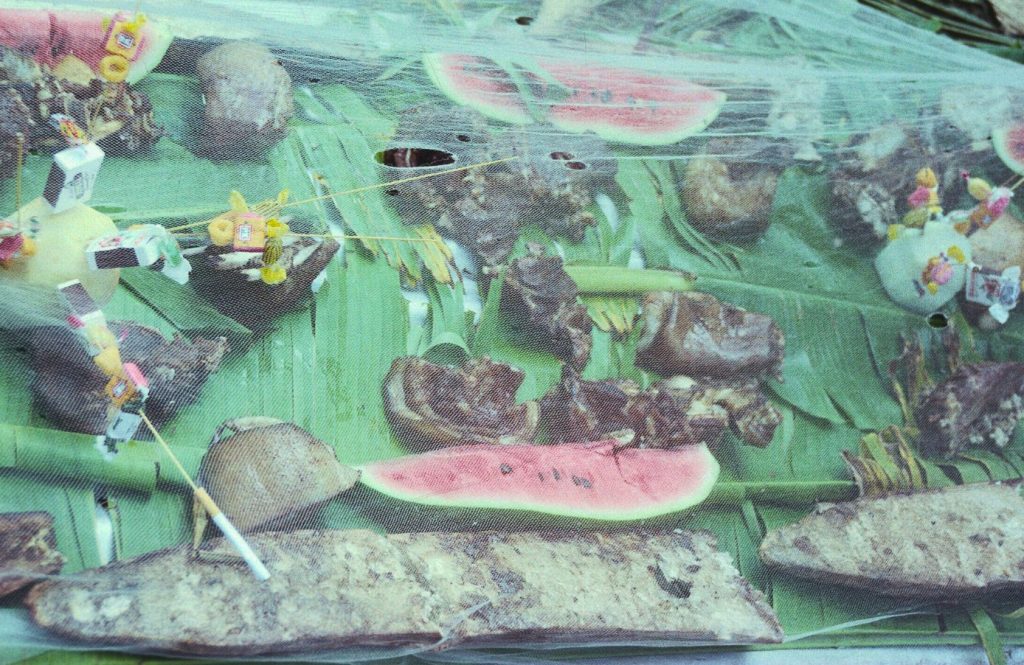
A local feast at Christmas, decorated with lollies, cigarettes and match boxes
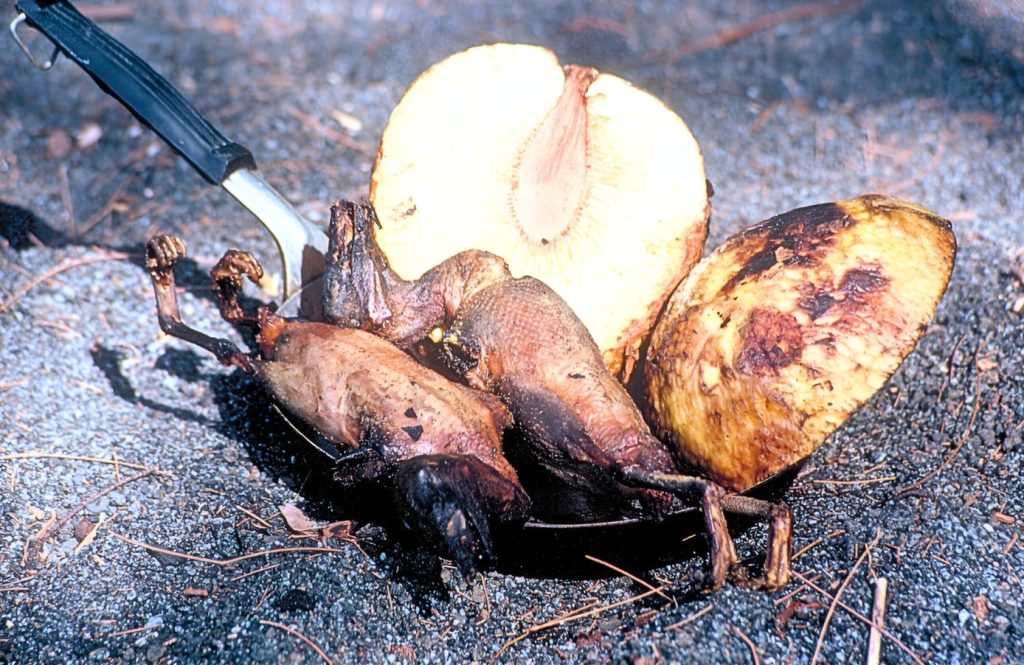
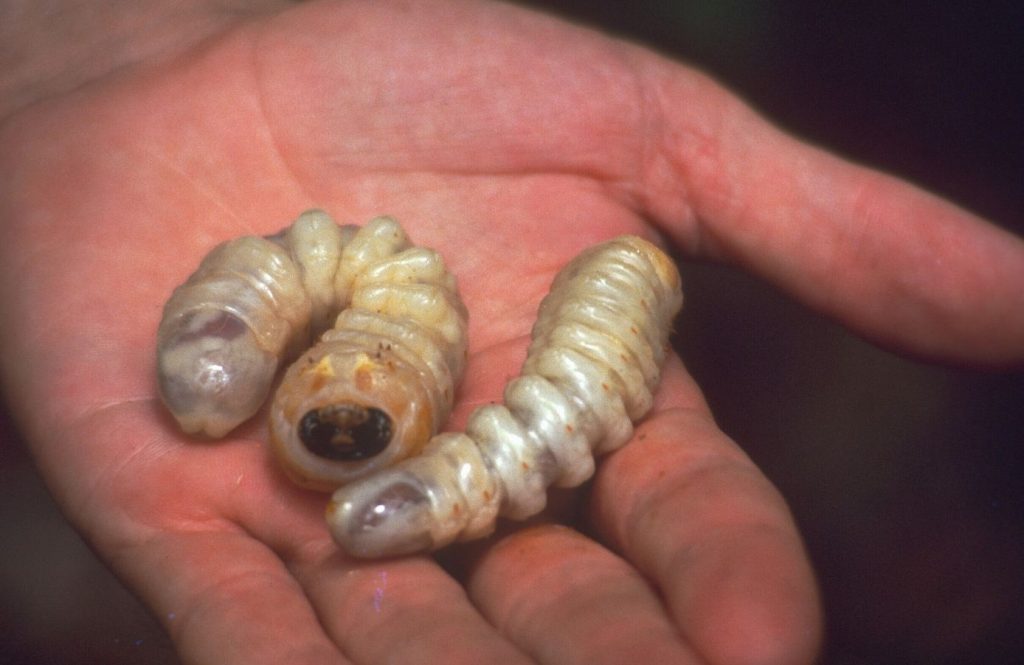
Two more local delicacies: Fried shearwater with breadfruit, and beetle larvae (ofato).
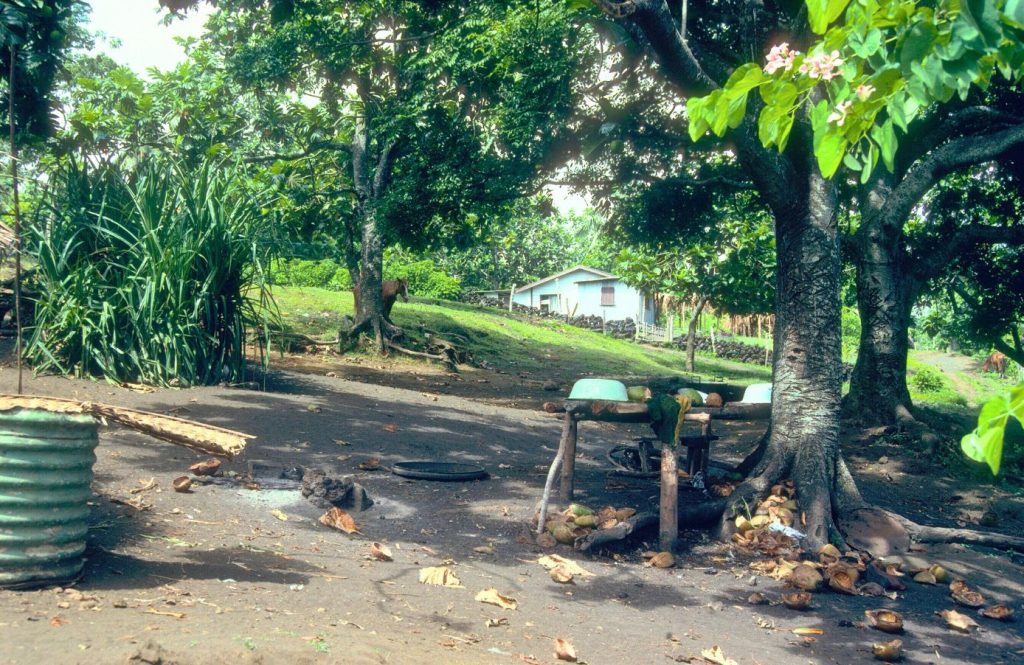
Our hosts’ outdoor kitchen, with a fire pit and plenty of coconut husks lying around.
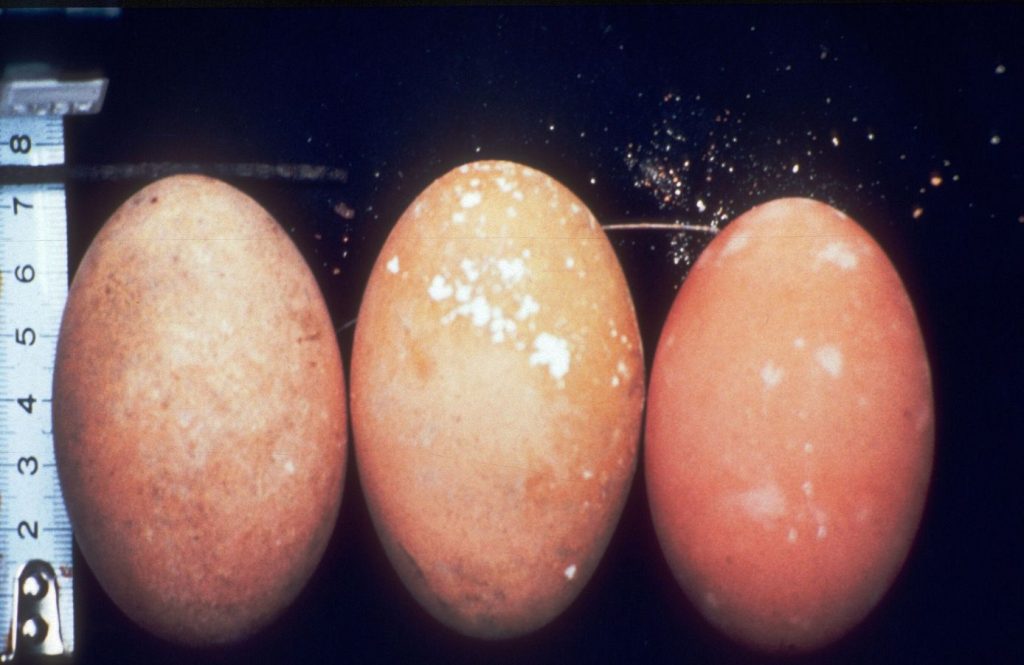
Eggs and chick of the Malau bird. The eggs are buried more than 1.5 m deep in volcanic soil and the chicks – orphans from birth – have to dig themselves out. Locals collect the eggs for their consumption, which is why the bird is listed as endangered.
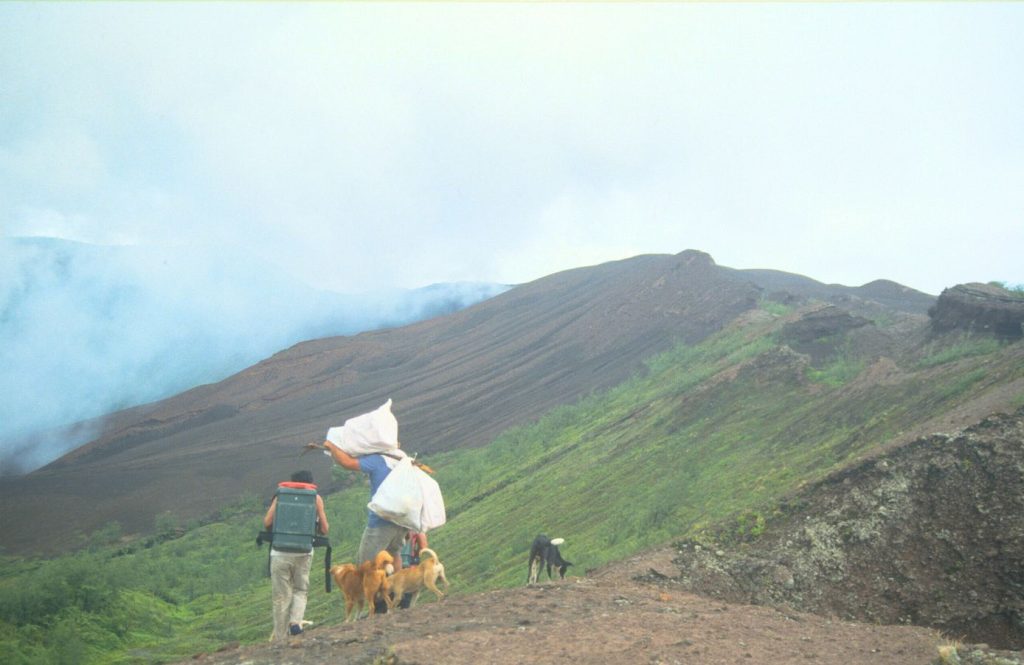
An expedition to the volcanic island of Tofua, in search of a new home for the Polynesian Megapode.
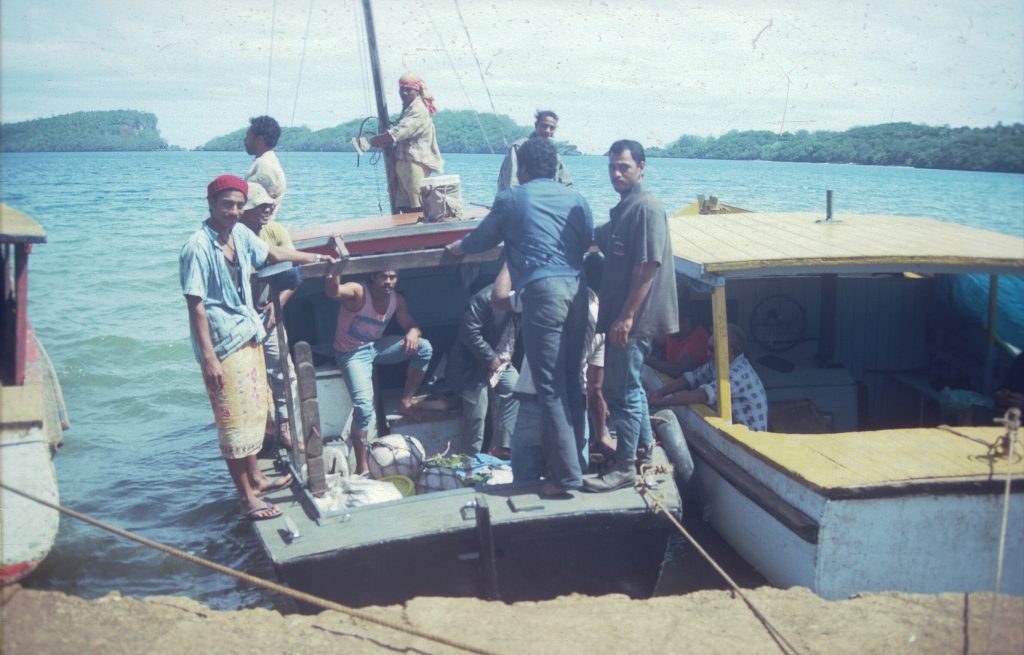
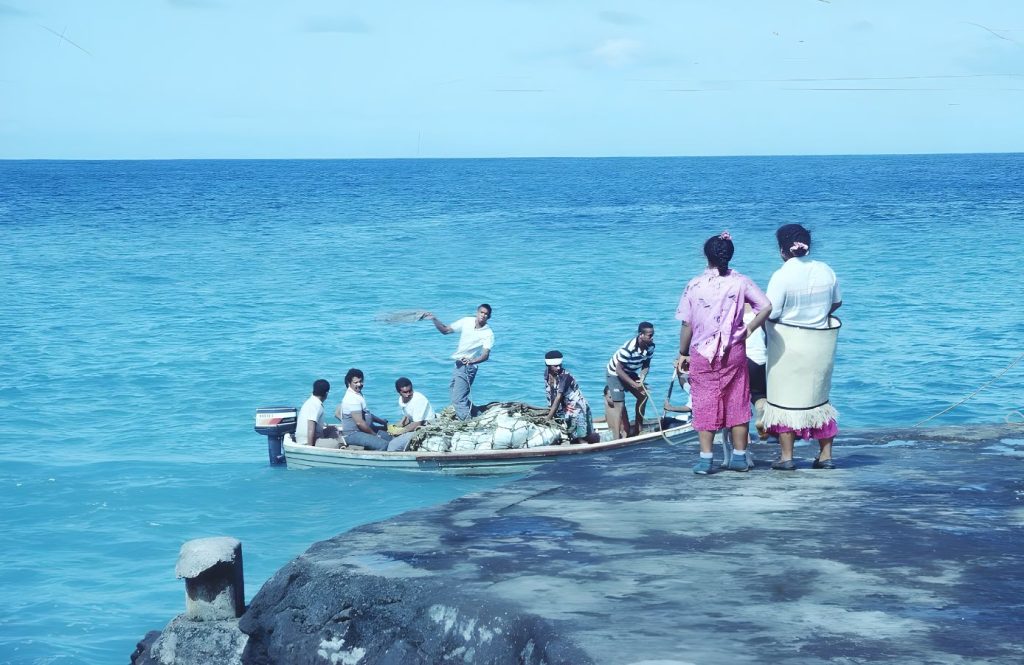
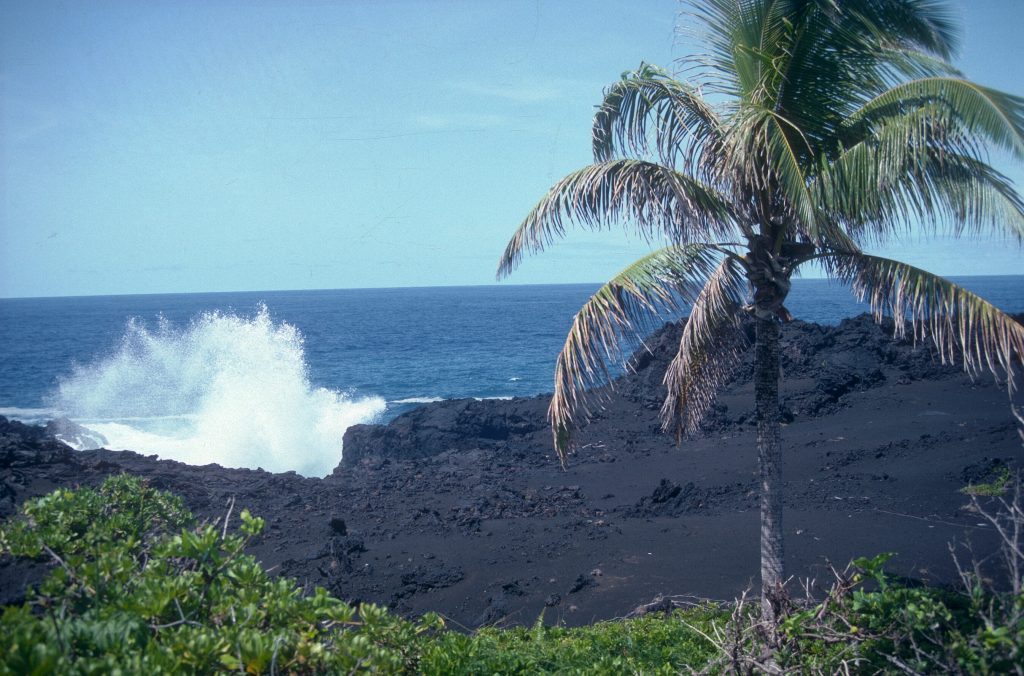
Travelling to, and landing on, volcanic islands in Tonga can be pretty rough.
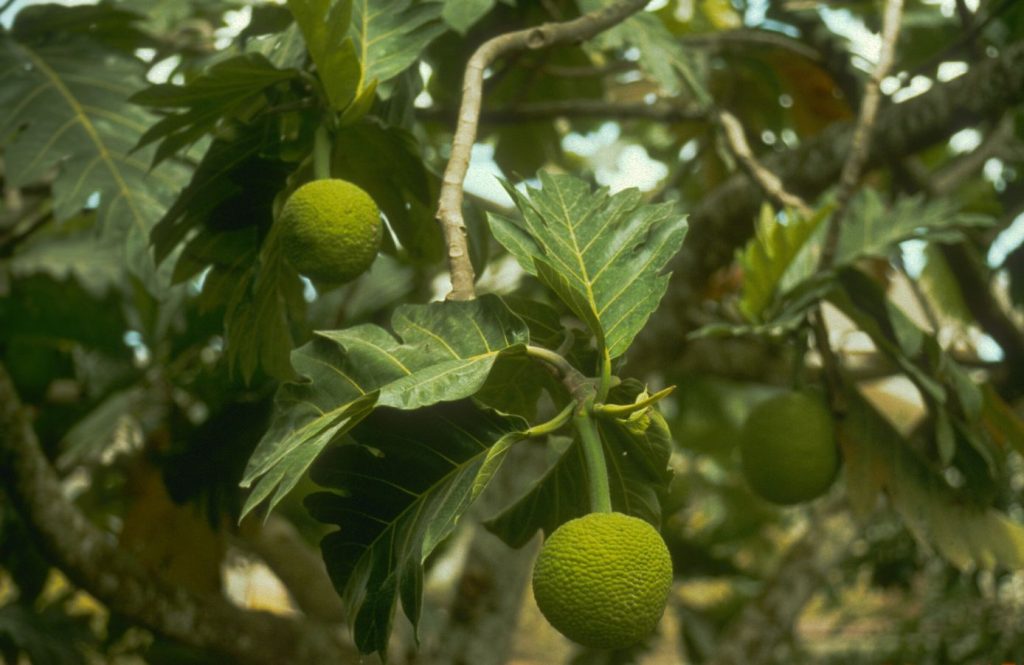
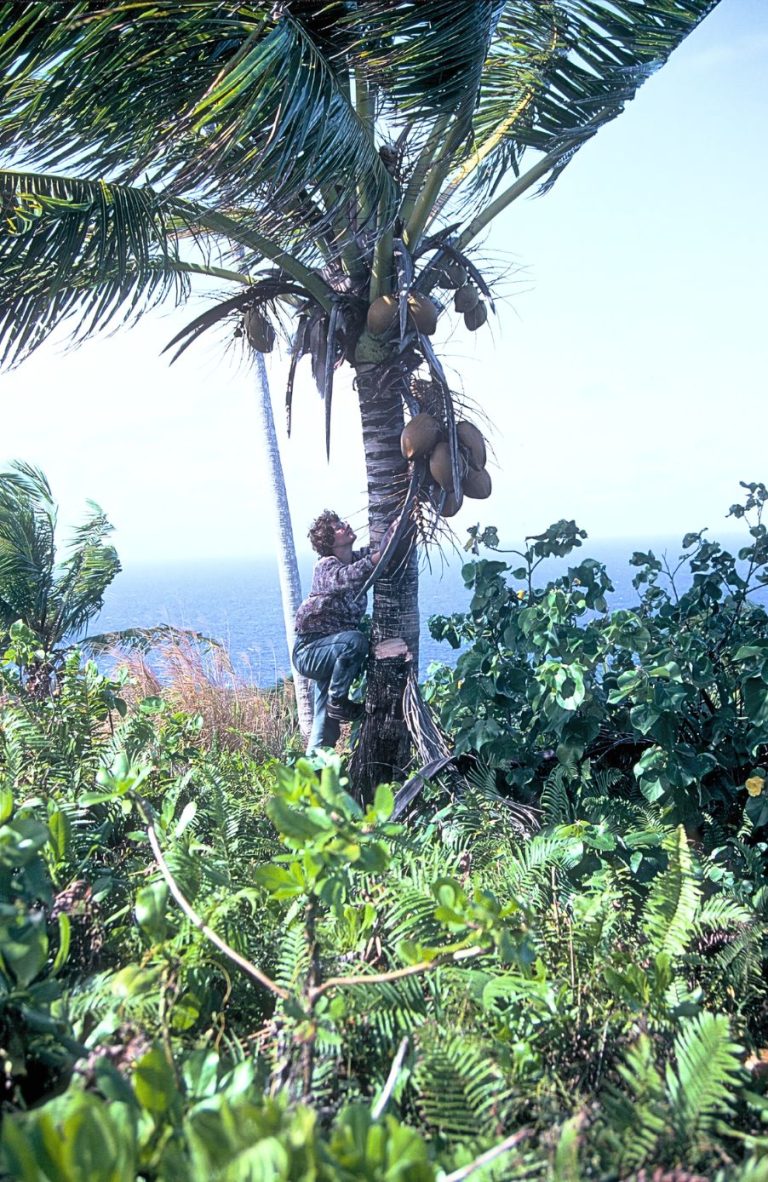
Breadfruit and coconuts are staple items in Tongan diet.